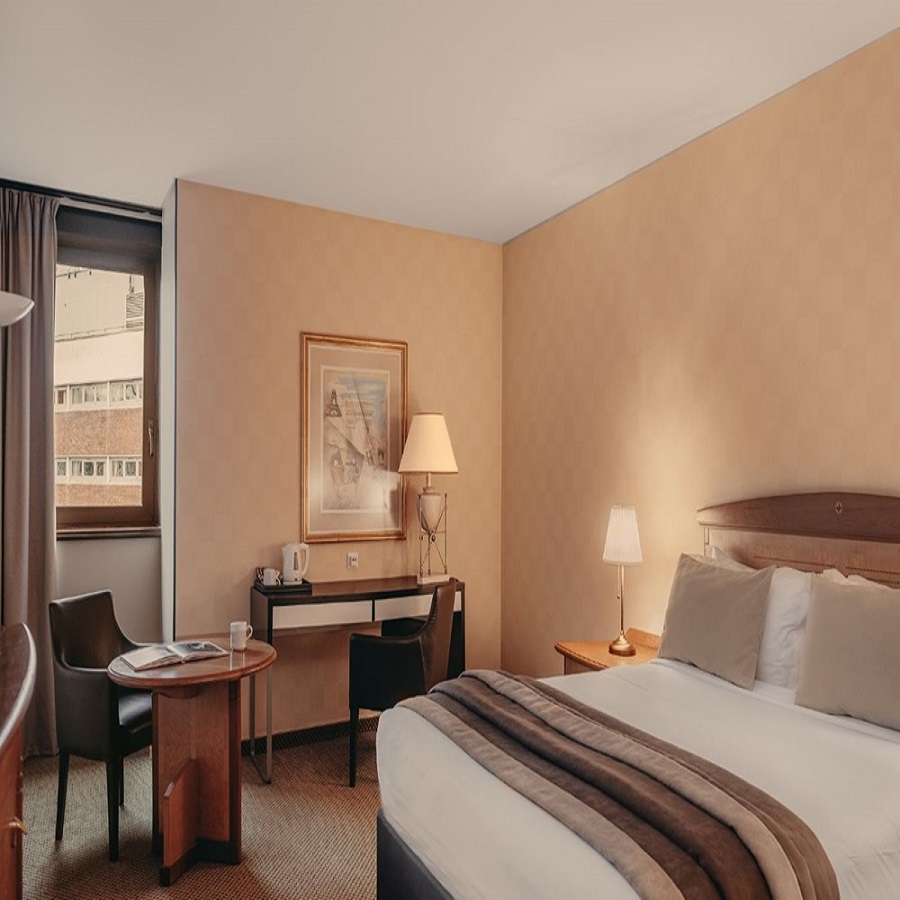
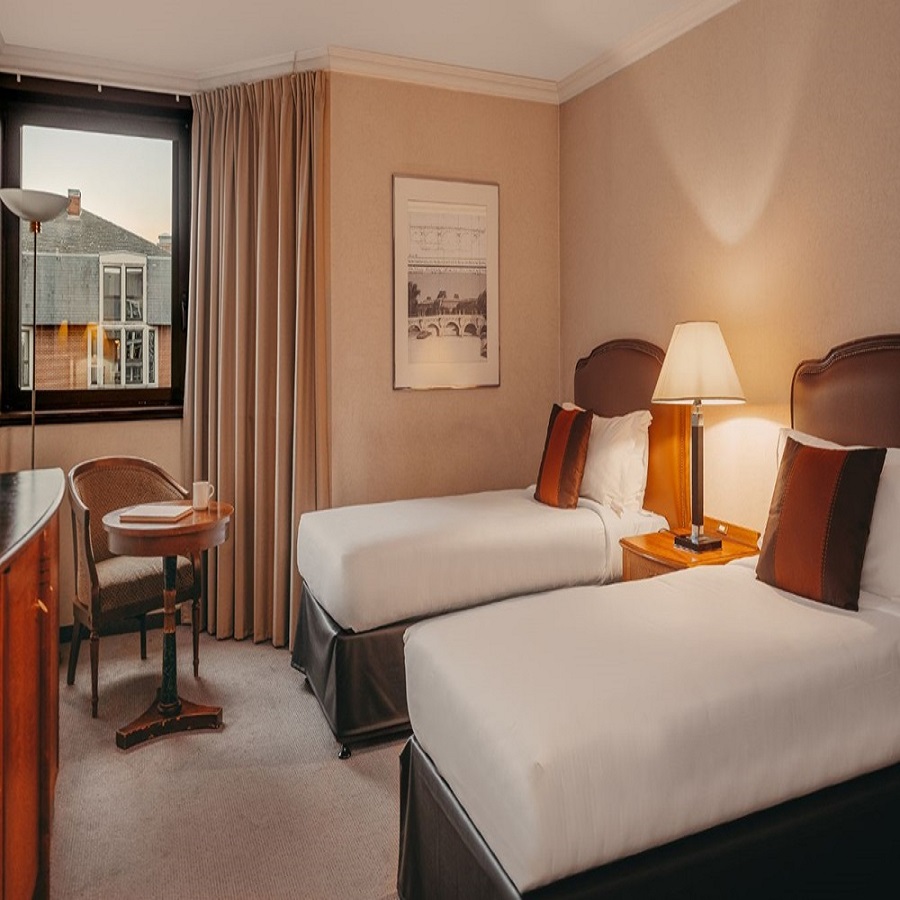
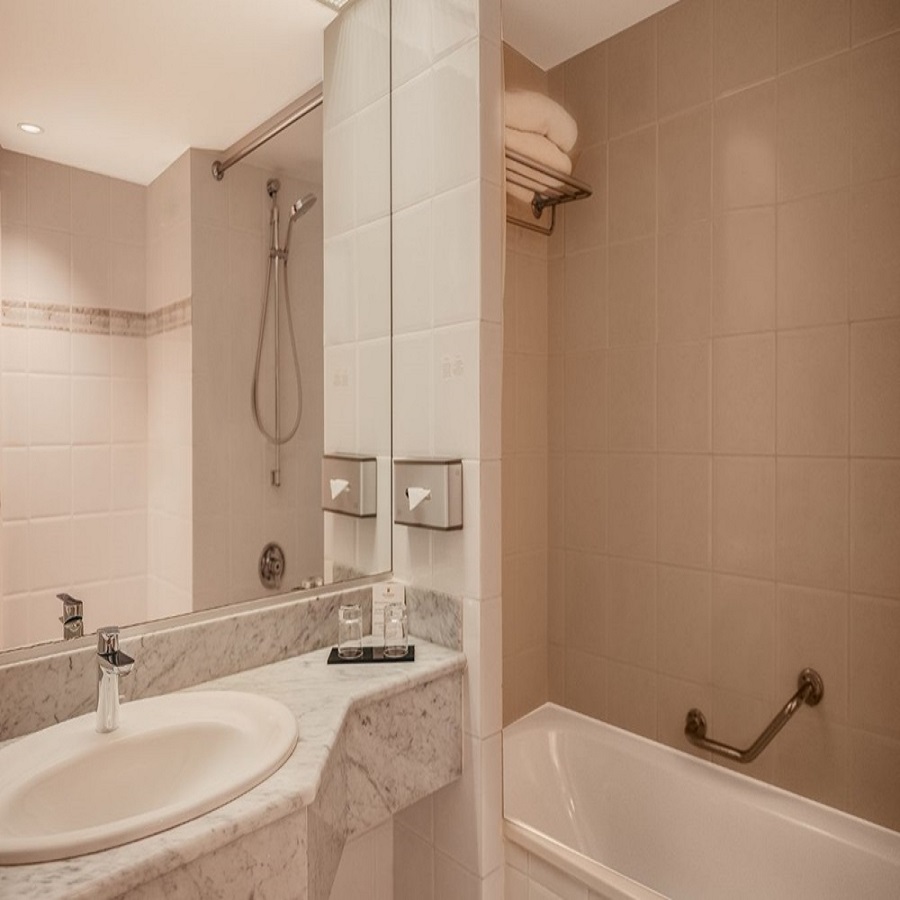
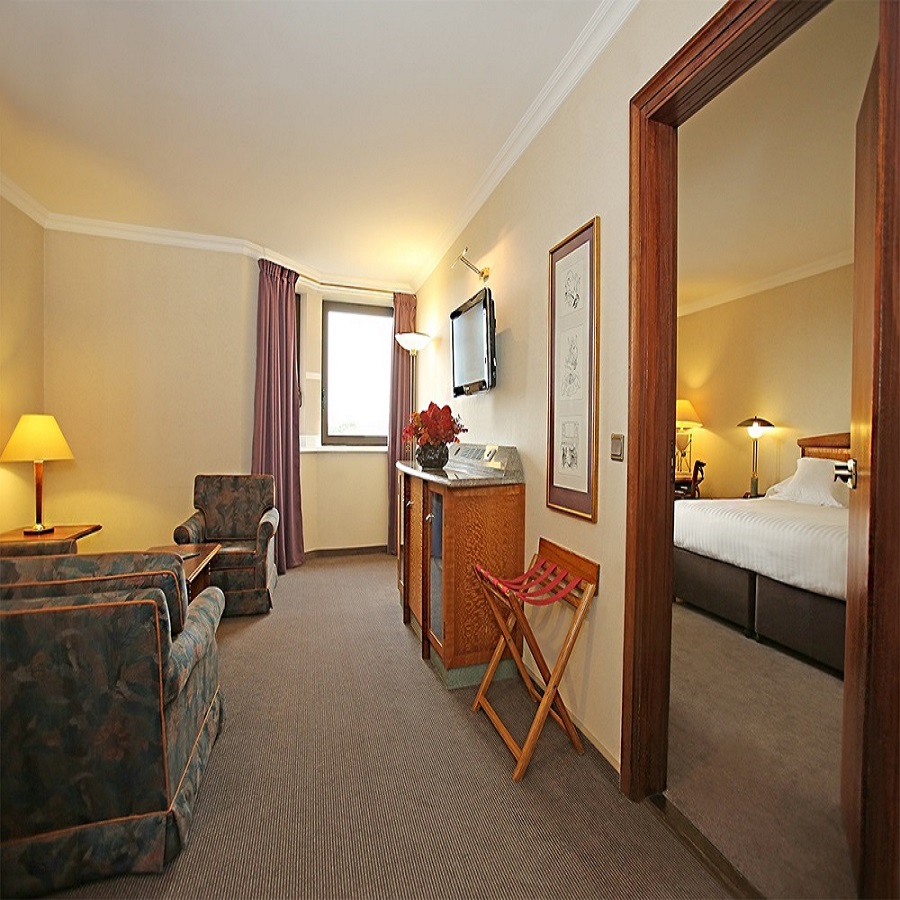
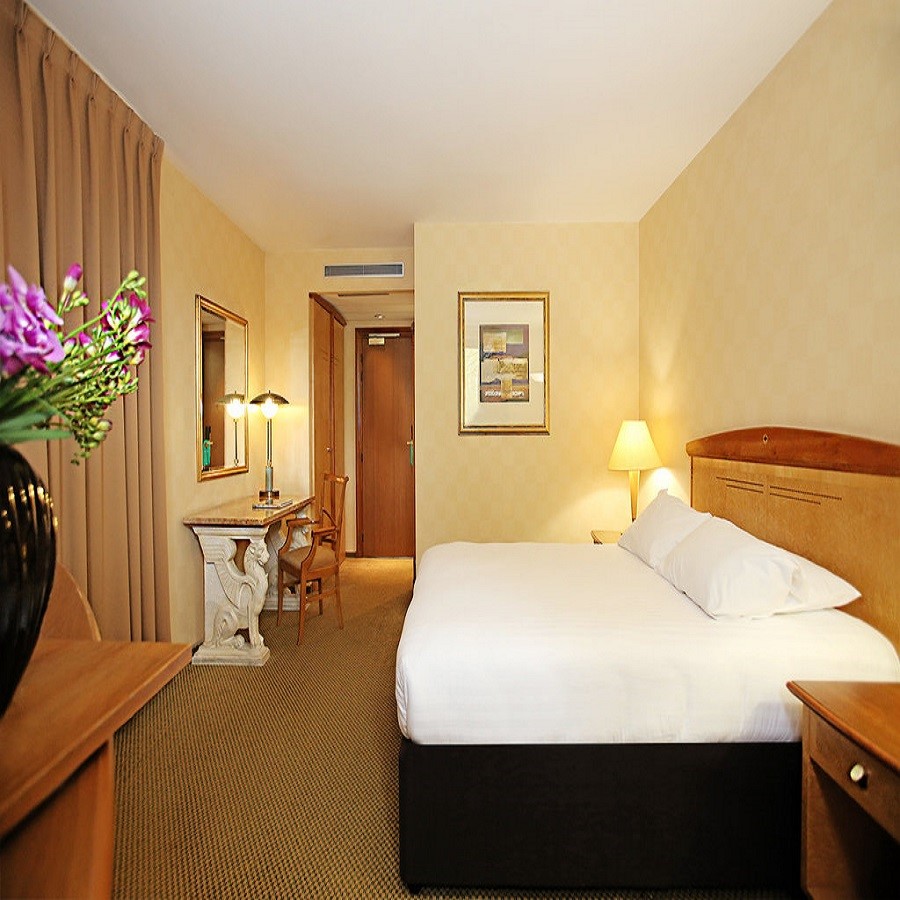
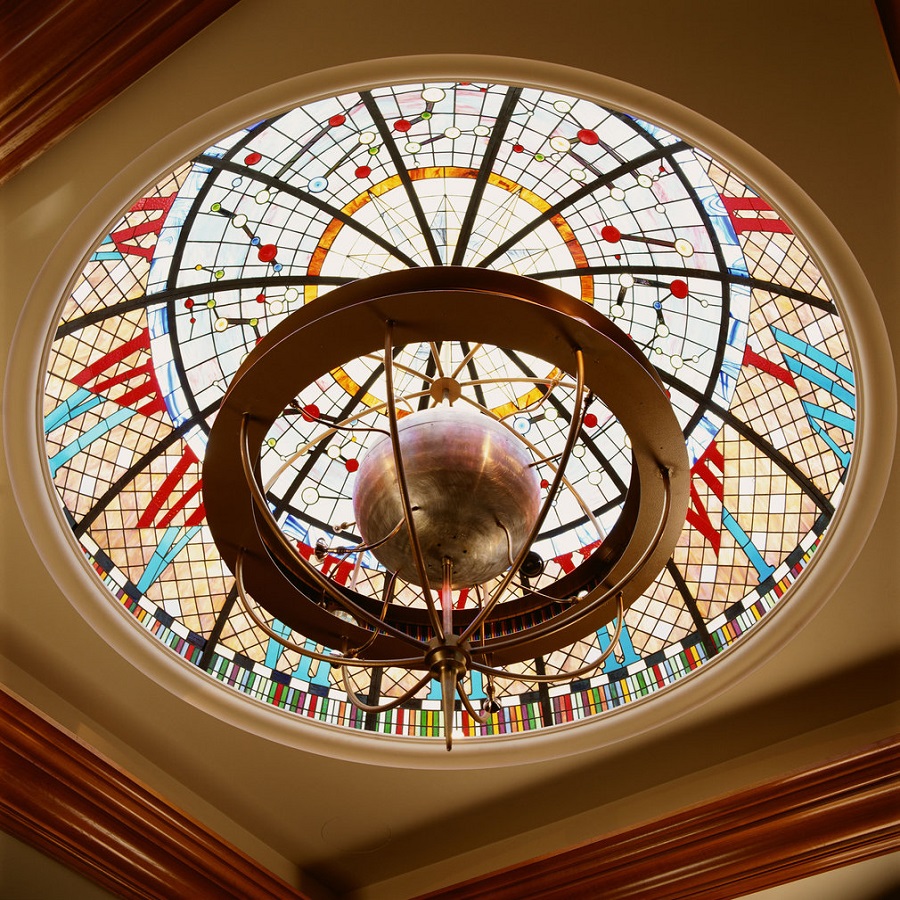
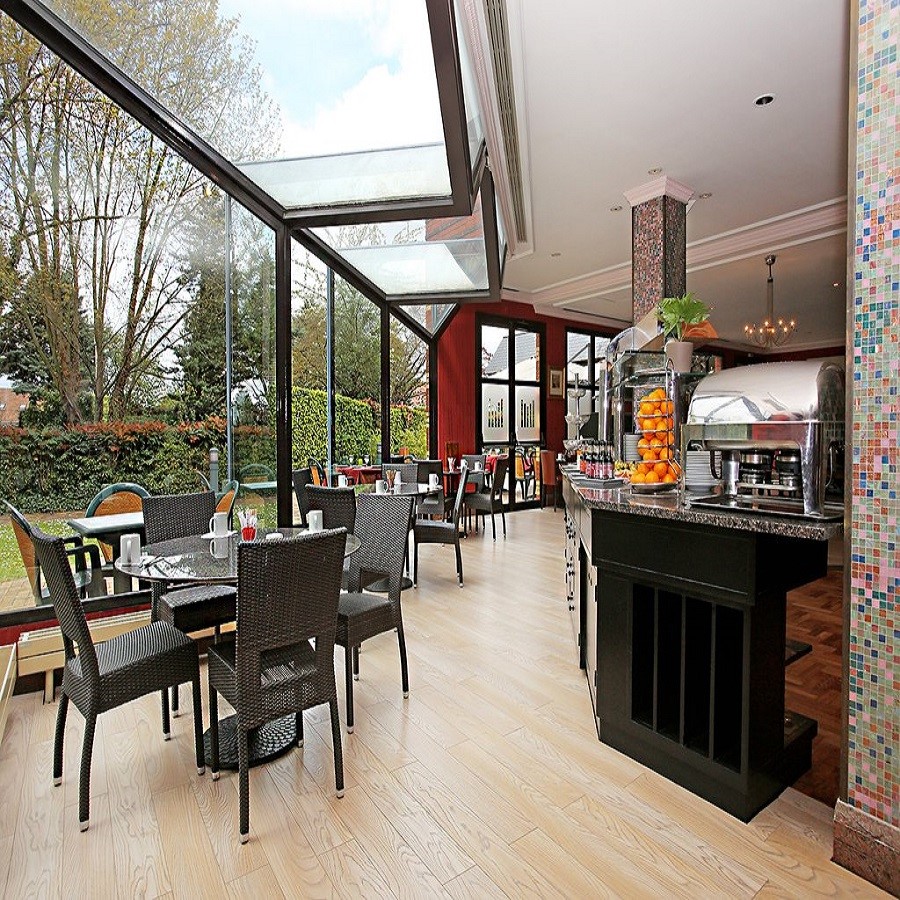
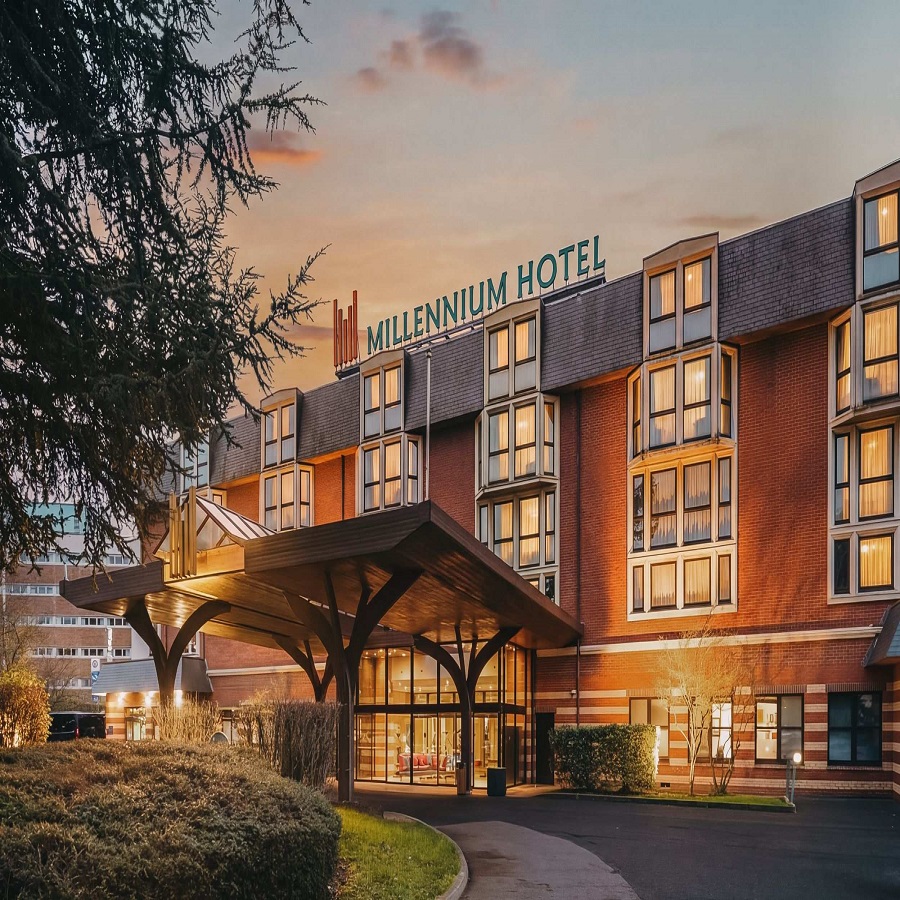
Millennium Hotel Paris Charles De Gaulle
Paris, the capital of France, is one of the world's most renowned cities, celebrated for its rich history, artistic heritage, elegant architecture, and vibrant cultural life. Situated in the Île-de-France region of northern France and crossed by the River Seine, Paris combines historic charm with modern urban living. Known as the “City of Light,” it is an internationally recognized destination for culture, creativity, education, and innovation.
The city is home to many iconic landmarks, including the Eiffel Tower, the Louvre Museum, Notre-Dame Cathedral, the Champs-Élysées, and the historic Montmartre district. Its magnificent monuments, world-class museums, art galleries, fashion houses, and lively cafés create a distinctive atmosphere that attracts visitors from across the globe.
Paris is also celebrated for its multicultural character, bringing together people from diverse backgrounds and traditions. Its culinary scene ranges from traditional French cuisine and neighborhood bakeries to contemporary restaurants and fine dining establishments. The city's reputation for art, fashion, literature, and gastronomy makes it a major center of international cultural exchange.
Beyond its cultural attractions, Paris is an important global hub for business, education, science, technology, and research. It hosts renowned universities, research institutions, international organizations, and business communities. The city also continues to develop urban sustainability initiatives, improve public transportation, and preserve its parks and green spaces.
With its remarkable combination of historical significance, architectural beauty, modern infrastructure, and international connectivity, Paris provides an inspiring setting for academic conferences, scientific meetings, professional networking, tourism, and cultural exchange.
15 Interesting Facts About Paris:
- The City of Light: Paris is widely known by the nickname “City of Light,” associated with its intellectual heritage and early adoption of street lighting.
- The Eiffel Tower: This iconic landmark was completed in 1889 for the Exposition Universelle.
- The Louvre Museum: The Louvre is one of the world's largest and most visited art museums.
- Twenty Arrondissements: Paris is divided into 20 municipal districts, known as arrondissements.
- The River Seine: The Seine flows through the heart of Paris and is an important feature of the city's landscape and history.
- Notre-Dame Cathedral: This celebrated Gothic cathedral is one of Paris's most significant historical monuments.
- A Fashion Capital: Paris is internationally recognized for haute couture, luxury fashion, and major fashion events.
- Historic Metro System: The Paris Métro opened in 1900 and remains an essential part of the city's public transportation network.
- Ancient Origins: Paris developed from the settlement of the Parisii, a Celtic people who inhabited the area in antiquity.
- Montmartre: This historic hilltop district is famous for its artistic heritage, charming streets, and the Sacré-Cœur Basilica.
- Parisian Gardens: The city features celebrated green spaces, including the Tuileries Garden, Luxembourg Gardens, and Parc des Buttes-Chaumont.
- Café Culture: Parisian cafés have long served as meeting places for writers, artists, philosophers, and intellectuals.
- World-Famous Cuisine: French culinary traditions, bakeries, pastries, and restaurants are an important part of Parisian culture.
- The Paris Catacombs: Beneath the city lies an extensive network of underground tunnels containing the remains of millions of people.
- A Global Cultural Center: Paris attracts visitors and professionals interested in art, architecture, history, education, business, and international collaboration.
Paris continues to inspire visitors with its timeless elegance, cultural diversity, and global influence, making it a memorable destination for both professional gatherings and personal exploration.